

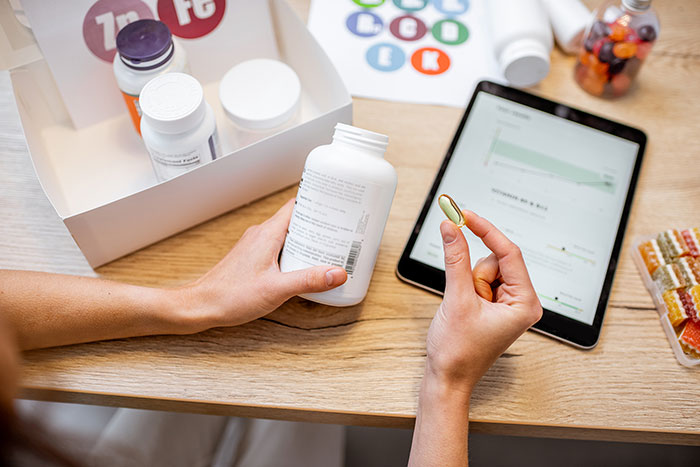
The dietary supplement industry has grown into a massive global market, offering consumers thousands of products designed to support health, athletic performance, and overall well-being. From everyday multivitamins and botanical extracts to specialized sports nutrition powders, choices appear endless. However, navigating store shelves and digital marketplaces presents a significant challenge for consumers trying to distinguish between high-quality, effective products and low-grade, potentially harmful ones.
Unlike pharmaceutical drugs, dietary supplements operate under a vastly different regulatory landscape. In the United States, the Food and Drug Administration regulates dietary supplements under a framework that treats them more like food than prescription medication. This structure places the primary burden of safety and accurate labeling on the manufacturer before a product hits the market. Consequently, understanding supplement quality and the critical role of independent third-party testing is essential for anyone seeking to protect their health and make informed purchasing decisions.
The Regulatory Framework of Dietary Supplements
To understand why supplement quality varies so widely, one must first grasp how these products are regulated. In the United States, the governing legal framework is the Dietary Supplement Health and Education Act of 1994. Under this law, dietary supplement manufacturers are not required to obtain Food and Drug Administration approval before selling their products to the public.
While manufacturers must adhere to Current Good Manufacturing Practices, enforcement largely relies on post-market surveillance. The Food and Drug Administration can inspect manufacturing facilities and monitor adverse event reports, taking action against unsafe or misbranded products only after they are available for consumer purchase. Because pre-market clinical testing and approval are not mandated for supplements, the quality, purity, and potency of products can fluctuate dramatically across different brands.
This regulatory gap creates opportunities for unscrupulous manufacturers to engage in problematic practices, including:
-
Label Claims Inaccuracy: Containing significantly less—or sometimes more—of the active ingredient than advertised on the product panel.
-
Economic Adulteration: Substituting expensive ingredients with cheaper, inactive fillers to increase profit margins.
-
Contamination: Unintentionally introducing toxic heavy metals, pesticides, molds, bacteria, or residual industrial solvents during sourcing or processing.
-
Prohibited Substances: Adding undeclared pharmaceutical compounds or banned athletic performance-enhancing drugs to boost product efficacy artificially.
Defining Supplement Quality: Purity, Potency, and Integrity
High supplement quality is not simply a marketing term; it is a measurable scientific standard defined by four core parameters: purity, potency, identity, and integrity.
Purity ensures that a supplement is free from harmful contaminants. Industrial farming, poor sourcing, and unhygienic manufacturing can introduce heavy metals like lead, cadmium, mercury, and arsenic into raw botanical ingredients. Purity testing also screens for microbiological pathogens such as Salmonella or Escherichia coli, as well as synthetic chemical residues from pesticides and herbicides.
Potency refers to the concentration of active ingredients present in each serving. A high-quality supplement guarantees that the dosage listed on the supplement facts label remains accurate and effective throughout the entire shelf life of the product. Lower-quality products often suffer from rapid degradation, meaning the active ingredients break down long before the expiration date.
Identity verifies that the raw material in the bottle matches what is claimed on the label. In botanical supplements, for instance, species substitution is a common issue. Accurate identity testing uses advanced laboratory techniques, such as High-Performance Liquid Chromatography or DNA barcoding, to confirm that a plant extract originates from the exact intended species and plant part.
Integrity encompasses how the product is formulated and manufactured. This includes verifying disintegrating capability—ensuring that a tablet or capsule dissolves properly in the human digestive tract so the body can absorb the underlying nutrients—and confirming the absence of unlisted allergens, artificial colorings, or synthetic binders.
The Essential Role of Independent Third-Party Testing
Because self-policing by manufacturers is inherently susceptible to conflicts of interest, independent third-party testing has emerged as the gold standard for verifying supplement quality. Third-party testing occurs when a manufacturer sends its raw materials or finished product batches to an accredited, unbiased laboratory unaffiliated with the brand.
These independent organizations conduct rigorous analytical testing to verify that the physical contents match the label claims precisely and that no dangerous contaminants exist. When a product successfully passes these exhaustive evaluations, the manufacturer is granted permission to display the testing organization certification seal on the product packaging.
Key Third-Party Certification Bodies
Several well-established independent auditing organizations evaluate dietary supplements:
-
USP (United States Pharmacopeia): A non-profit scientific organization that sets strict public standards for medicines and dietary supplements. A USP seal verifies that the product contains the declared ingredients in the stated amounts, does not contain harmful levels of contaminants, dissolves properly, and was manufactured according to Current Good Manufacturing Practices.
-
NSF International: A global public health and safety organization. The NSF Contents Certified seal confirms label accuracy and contaminant screening. Additionally, NSF Certified for Sport tests specifically for over two hundred eighty substances banned by major athletic organizations, making it the preferred standard for professional and collegiate athletes.
-
ConsumerLab.com: An independent testing firm that purchases off-the-shelf commercial products directly from market channels, testing them for identity, potency, and purity. ConsumerLab publishes detailed comparative reports highlighting which brands pass or fail their rigorous criteria.
-
Informed-Choice and Informed-Sport: Specialized certification programs that focus on monitoring products for banned substances, cross-contamination, and manufacturing integrity within the sports nutrition sector.
How to Evaluate Supplement Labels as a Consumer
Navigating the supplement aisle requires a critical eye. Consumers can protect themselves by learning how to evaluate product labels effectively and spotting common marketing red flags.
First, look for explicit third-party certification seals printed directly on the bottle. A genuine certification seal indicates that an independent entity has verified the contents of that specific batch or manufacturing facility. Be cautious of vague statements like “laboratory tested” or “quality assured,” as these claims are often internal self-attestations rather than independent audits.
Second, examine the ingredient list for transparency. High-quality brands disclose the exact milligram amount of every active ingredient. Avoid products that hide individual ingredient dosages behind proprietary blend names. Proprietary blends allow companies to market a product using popular ingredients while including only minuscule, non-therapeutic quantities.
Third, evaluate the chemical forms of the nutrients included. Superior brands utilize bioavailable forms of vitamins and minerals that the human body can absorb easily. For example, selecting chelated minerals like zinc glycinate or active vitamin forms like methylcobalamin for Vitamin B12 demonstrates a commitment to formulation quality over cheap manufacturing inputs.
Quality Standards Comparison: Uncertified vs. Third-Party Certified
| Quality Feature | Standard Uncertified Supplement | Third-Party Certified Supplement |
| Label Accuracy | Unverified; relies entirely on manufacturer claims | Independently verified by accredited analytical laboratories |
| Contaminant Screening | Inconsistent or non-existent external screening | Rigorously tested for heavy metals, pesticides, and microbes |
| Banned Substance Checks | Rarely conducted | Tested for substances banned in competitive sports |
| Digestive Bioavailability | Tablet dissolution rates unverified | Verified to dissolve properly within the human digestive system |
| Manufacturing Oversight | Internal compliance checks | Audited against strict Current Good Manufacturing Practices |
Frequently Asked Questions
What does it mean if a supplement label says it is manufactured in an FDA-registered facility?
An FDA-registered facility simply means the manufacturing plant has registered its physical location with the Food and Drug Administration as required by law. It does not mean the Food and Drug Administration has inspected the facility, approved the specific product, or verified the accuracy of the ingredients on the label.
Are expensive supplements always higher quality than cheap ones?
Not necessarily. While high-quality raw materials, bioavailable nutrient forms, and third-party testing increase manufacturing costs, a higher price tag alone does not guarantee quality. Some expensive brands spend heavily on marketing rather than quality control, while certain moderately priced brands maintain exceptional third-party certification standards.
Why do some supplements contain proprietary blends on their facts panel?
Manufacturers often claim proprietary blends protect their secret formulations from being copied by competitors. However, in practice, proprietary blends allow companies to list popular, expensive ingredients on the label while using tiny amounts, filling the majority of the blend with cheap base ingredients.
How can I verify if a third-party testing seal on a bottle is genuine?
You can verify a seal by visiting the official website of the certifying organization, such as USP, NSF International, or Informed-Choice. These organizations maintain public online databases listing every brand and specific product currently holding active certification.
Can third-party testing guarantee that a supplement will work for my health condition?
No. Third-party testing verifies product purity, potency, identity, and manufacturing quality, confirming that the bottle contains what it claims without harmful contaminants. It does not evaluate clinical efficacy or guarantee that a specific nutrient will cure or treat a health condition.
What is the difference between NSF Contents Certified and NSF Certified for Sport?
NSF Contents Certified verifies that the product contains the ingredients listed on the label in the correct amounts and is free of harmful contaminants like heavy metals. NSF Certified for Sport includes all those checks plus additional testing to ensure the product is free of over two hundred eighty banned substances tested by major athletic agencies.
Do botanical or herbal supplements require different quality testing than synthetic vitamins?
Yes. Botanical supplements require specialized identity testing, such as High-Performance Liquid Chromatography, to confirm the correct plant species and part were used. They also carry a higher risk of agricultural contamination, requiring stricter screening for heavy metals, pesticides, mycotoxins, and wild microbial growth compared to isolated synthetic vitamins.
Comments are closed.