

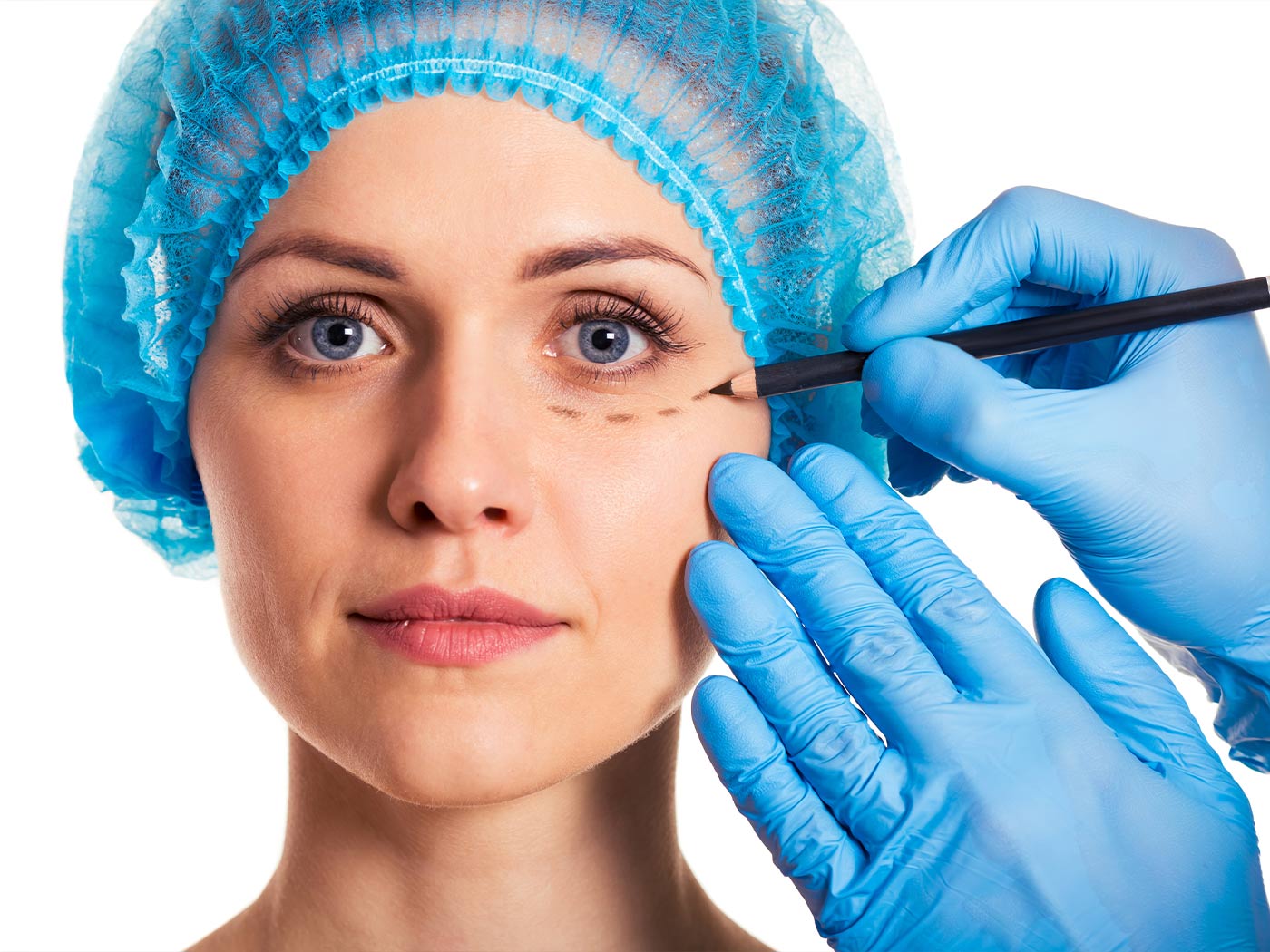
Puffiness beneath the eyes can be caused by several different things, which is why one treatment cannot suit everybody. Anyone researching a treatment for under eye bags should begin by establishing whether the concern is caused by hollowness, true under-eye bags, pigmentation, skin quality or a combination of several factors.
Not Every Shadow Is A Bag
The eye area is complex because light and facial structure can make one issue look like another. A hollow tear trough may create a shadow that resembles a dark circle. Prominent fat pads can create actual bulging. Pigmentation may make the area look darker even when the contour itself is relatively smooth.
This distinction matters because the treatment options are different. Adding filler to the wrong type of concern may not improve the appearance and can sometimes make puffiness look worse. Similarly, skincare aimed at pigmentation will not correct structural volume loss.
A careful practitioner should assess the area in good lighting and from several angles. They should also consider facial anatomy, skin thickness and how the lower eyelid transitions into the cheek.
Filler Is Useful In Selected Cases, Not All Cases
Under-eye filler is generally discussed in relation to hollowness or certain contour irregularities. It is not a universal solution for every type of eye bag.
Patients with significant puffiness, loose skin or other structural issues may be better suited to a different approach. This is why treatment suitability should be decided after examination rather than through photographs online or a self-diagnosis.
The amount of product matters as well. The under-eye area is delicate, and conservative treatment is often important. Trying to correct too much at once can create heaviness or an unnatural appearance.
A responsible practitioner should be willing to advise against filler when the anatomy suggests another route would be more appropriate.
Lifestyle Can Affect How The Area Looks
Not every change around the eyes requires an aesthetic procedure. Sleep, allergies, dehydration, salt intake and general health can influence puffiness from day to day. Genetics and ageing also play a major role.
This means patients should think about whether the concern is constant or whether it changes considerably. A problem that appears mainly after poor sleep may need a different approach from a structural hollow that has gradually become more obvious over several years.
An aesthetic consultation should consider this context rather than focusing only on the appearance at one moment.
Treatment Should Be Conservative And Carefully Reviewed
The under-eye area has little room for error, so practitioner experience is particularly important. Patients should ask about the clinician’s experience treating this specific region, the product being proposed and the risks involved.
Temporary swelling and bruising can occur, and the area may take time to settle. Patients should receive clear advice on what to expect and what symptoms require prompt medical review.
A successful treatment plan begins with the correct diagnosis of the cosmetic concern. Once the cause is understood, patients can make a more informed decision about whether filler, skincare, another procedure or no treatment at all is the most sensible option.
Comments are closed.