

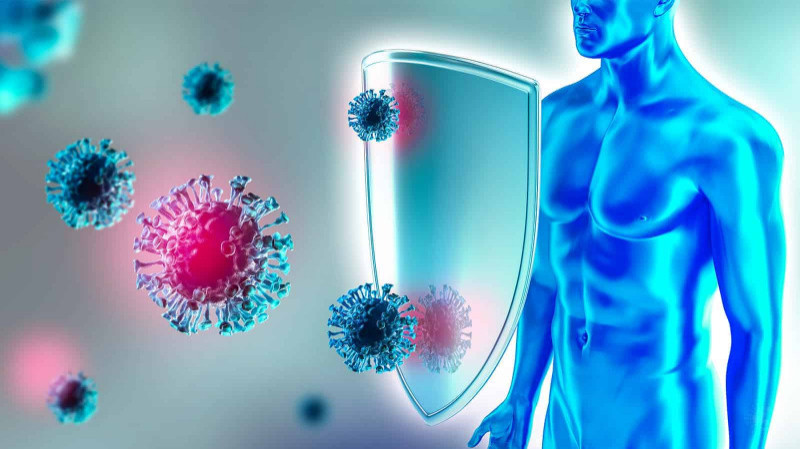
The human immune system is a complex, highly coordinated network of cells, tissues, organs, and chemical signals working continuously to protect the body against pathogens. From viruses and bacteria to environmental toxins and abnormal cellular growths, a healthy immune response serves as the primary defense against illness. Rather than acting as a single mechanism that can be turned up with a quick fix, immune function relies on balance, harmony, and systemic support across every biological system.
Building and maintaining long-term immune resilience requires an integrative approach rooted in daily lifestyle habits. While genetic factors influence baseline immunity, day-to-day choices regarding nutrition, physical activity, sleep quality, stress management, and environmental exposure dictate how effectively immune cells communicate, replicate, and defend the body over a lifetime.
Understanding the Architecture of Human Immune Defense
To support the immune system effectively, it helps to understand its primary structural divisions. Immune defense functions through two distinct yet deeply interconnected arms: the innate immune system and the adaptive immune system.
The innate immune system provides the body with immediate, non-specific protection. Physical barriers like the skin and mucous membranes, along with specialized white blood cells such as neutrophils, macrophages, and natural killer cells, recognize foreign invaders instantly and work to neutralize them within hours of exposure.
The adaptive immune system develops targeted defenses over time. Driven by B-lymphocytes and T-lymphocytes, adaptive immunity recognizes specific molecular signatures known as antigens on foreign pathogens. B-cells produce specialized antibodies that neutralize threats, while T-cells destroy infected host cells directly and retain immunological memory. This memory ensures that if the body encounters the same pathogen again, the response is much faster and more robust.
Nutritional Pillars for Immune Cell Optimization
Nutrition provides the raw chemical building blocks and micronutrients required for white blood cell production, antibody synthesis, and cellular repair. Nutrient deficiencies impair immune cell division and weaken structural mucosal barriers.
-
Vitamin C: A powerful antioxidant that accumulates in phagocytic cells, enhancing their ability to engulf pathogens and generate antimicrobial compounds. Rich sources include citrus fruits, bell peppers, strawberries, and broccoli.
-
Vitamin D3: Acts as a key immunomodulator that binds to receptors on T-cells and macrophages, regulating inflammatory pathways and promoting the production of antimicrobial peptides. Synthesis occurs via sunlight exposure, as well as consumption of fatty fish, egg yolks, and fortified foods.
-
Zinc: Crucial for the development, maturation, and signaling function of neutrophils, NK cells, and lymphocytes. Zinc deficiency leads to immune cell dysfunction and increased susceptibility to respiratory infections. Found in oysters, beef, pumpkin seeds, and lentils.
-
Vitamin A: Essential for maintaining the structural integrity of skin and mucous membranes lining the respiratory, gastrointestinal, and urinary tracts. Available as preformed vitamin A in liver and dairy, or as beta-carotene in carrots, sweet potatoes, and spinach.
-
Selenium: Helps reduce systemic oxidative stress and supports immune cell proliferation. Brazil nuts, seafood, and poultry provide high concentrations of selenium.
The Gut Microbiome and Immune System Signaling
Approximately seventy percent of the human body’s immune tissue resides in the gut-associated lymphoid tissue, located within the gastrointestinal tract. The gut microbiome—a complex ecosystem comprising trillions of bacteria, fungi, and microorganisms—communicates continuously with immune cells across the intestinal wall.
A diverse, healthy microbiome trains immune cells to distinguish between harmless dietary proteins, beneficial bacteria, and dangerous pathogens. Beneficial gut bacteria digest dietary fibers to produce short-chain fatty acids, such as butyrate, acetate, and propionate. Short-chain fatty acids nourish the gut lining, reinforce epithelial tight junctions, and suppress excessive systemic inflammation.
Consuming a diverse array of plant foods rich in prebiotic fibers, alongside fermented foods like plain yogurt, kefir, sauerkraut, kimchi, and kombucha, supports gut microbial diversity and reinforces mucosal immunity.
Physical Activity and Immunological Surveillance
Regular, moderate-intensity physical activity plays a profound role in maintaining immunological health. Exercise enhances circulation, allowing immune cells and anti-inflammatory cytokines to move rapidly throughout the bloodstream and lymphatic system.
During aerobic exercise, white blood cells disperse into circulation, increasing the likelihood that immune cells will detect localized infections early. Over time, regular physical activity reduces chronic low-grade inflammation, enhances antibody responses to vaccination, and slows age-related immune decline, known as immunosenescence.
Aim for at least one hundred fifty minutes of moderate aerobic exercise, such as brisk walking, cycling, or swimming, combined with two sessions of strength training per week. Excessive, prolonged, high-intensity exercise without adequate recovery can temporarily suppress immune function, underscoring the importance of balanced physical activity.
The Critical Role of Rest restorative Sleep
Sleep is an active neurological and immunological process essential for cellular repair and cytokine production. During deep slow-wave sleep, the immune system releases specific protective proteins called cytokines, which promote systemic healing and coordinate immune responses against viral and bacterial threats.
Chronic sleep deprivation, defined as consistently getting fewer than seven hours of sleep per night, leads to a marked drop in natural killer cell activity and a reduction in circulating antibody concentrations. Research shows that individuals who sleep fewer than six hours per night are significantly more susceptible to catching common viral respiratory infections when exposed compared to those who sleep seven to eight hours.
Prioritize consistent sleep timing, create a dark, cool sleeping environment, and eliminate screen exposure at least one hour before bed to support natural melatonin production and deep restorative sleep cycles.
Stress Management and Cortisol Dynamics
Chronic psychological stress exerts a direct suppressive effect on the immune system through the continuous activation of the hypothalamic-pituitary-adrenal axis. When stress persists over weeks or months, the adrenal glands release elevated levels of cortisol and adrenaline.
While acute cortisol release temporarily suppresses non-essential functions to handle an immediate threat, sustained high cortisol levels downregulate immune cell function. Chronic stress inhibits lymphocyte proliferation, blunts antibody production, and desensitizes immune cells to glucocorticoid signaling, allowing pro-inflammatory cytokines to run unchecked.
Incorporating daily stress-reduction practices—such as mindfulness meditation, deep diaphragmatic breathing exercises, spending time in nature, and engaging in hobbies—helps reset the autonomic nervous system and protect long-term immune resilience.
Core Habits for Disease Prevention and Immune Health
| Health Lifestyle Factor | Primary Mechanism of Action | Recommended Practical Target |
| Nutrient-Dense Diet | Supplies essential micronutrients for cell production | 30+ different plant foods weekly |
| Microbiome Nurturing | Produces short-chain fatty acids and trains gut cells | Daily prebiotic fibers and fermented foods |
| Moderate Exercise | Accelerates white blood cell circulation and surveillance | 150 minutes of moderate activity weekly |
| Restorative Sleep | Optimizes nighttime protective cytokine production | 7 to 9 hours of uninterrupted sleep nightly |
| Stress Mitigation | Prevents cortisol-induced immune cell suppression | 15 to 30 minutes of daily relaxation practices |
| Adequate Hydration | Maintains mucous membrane barriers and lymphatic flow | 8 to 10 glasses of water daily |
Frequently Asked Questions
Can dietary supplements completely replace a healthy diet for immune function?
No. Dietary supplements can help correct verified nutrient deficiencies, but they cannot replicate the complex synergistic blend of vitamins, minerals, phytonutrients, and fibers found in whole foods. Consuming a balanced diet provides the underlying biological context necessary for nutrients to be absorbed and utilized effectively by immune cells.
How does chronic alcohol consumption affect the immune system?
Chronic or excessive alcohol consumption damages the epithelial lining of the gastrointestinal tract, alters the gut microbiome, and disrupts the function of key immune cells, including T-cells and macrophages. This impairs the body ability to clear pathogens and increases susceptibility to respiratory and systemic infections.
Is inflammation always bad for the immune system?
No. Acute inflammation is a necessary, protective response driven by the immune system to isolate, destroy pathogens, and repair damaged tissues. Chronic, low-grade systemic inflammation, however, is harmful, as it exhausts immune resources, damages healthy tissues, and raises the risk for chronic diseases.
How does aging affect natural immunity?
As people age, the immune system undergoes a gradual decline known as immunosenescence. The thymus gland shrinks, producing fewer naive T-cells, and overall immune cell communication becomes less efficient. Maintaining healthy lifestyle habits, including regular exercise and proper nutrition, helps mitigate these age-related declines.
Why is hydration important for disease prevention?
Proper hydration maintains the volume of blood and lymph fluid, which transport white blood cells and nutrients throughout the body. Additionally, staying hydrated keeps the mucous membranes lining the nose, mouth, and throat moist, allowing them to trap and flush out foreign pathogens before they enter the bloodstream.
Can taking high doses of Vitamin C stop a cold instantly?
While high-dose Vitamin C may slightly reduce the duration or severity of a cold in certain individuals, it cannot prevent or stop a viral infection instantly. Consuming Vitamin C consistently through whole foods is far more effective for maintaining baseline immune defenses than taking large mega-doses after symptoms appear.
How do vaccines interact with the natural immune system?
Vaccines work by safely introducing a harmless antigen, weakened pathogen, or genetic instructions to the immune system. This stimulates the adaptive immune system to produce specific antibodies and memory T-cells without causing severe illness, granting rapid, targeted protection upon future exposures to the actual pathogen.
Comments are closed.