

Modern life operates at an intense, relentless pace. Professional professionals, students, and parents face continuous streams of digital notifications, tight project deadlines, complex personal responsibilities, and constant multi-tasking demands. This hyper-connected environment keeps the human nervous system in a state of high alert. Over time, chronic stress drains cognitive energy, impairs decision-making abilities, destabilizes emotional balance, and leads to burnout.
When individuals experience heightened stress, productivity drops. Tasks take longer to complete, attention spans shorten, creative problem-solving stalls, and fatigue sets in. Tackling this productivity deficit requires addressing its root cause: autonomic nervous system dysregulation.
Yoga provides a holistic, time-tested system that bridges physical movement, breath control, and mental focus. Far beyond basic physical flexibility, regular yoga practice serves as a powerful neurological reset. By calming the stress response and refining mental clarity, yoga reduces anxiety while building the focus, endurance, and resilience required for sustained daily productivity.
The Neurological Connection Between Stress and Productivity
To understand how yoga enhances daily performance, one must first examine how stress impacts the brain. When faced with physical or mental demands, the brain’s amygdala signals the hypothalamus to activate the sympathetic nervous system, commonly known as the fight-or-flight response.
This physiological state releases stress hormones like cortisol and adrenaline into the bloodstream, elevating heart rates, constricting blood vessels, and directing blood flow toward major muscle groups. While this reaction is beneficial for escaping immediate physical danger, chronic activation caused by daily workplace stress creates severe cognitive issues:
-
Executive Function Impairment: Elevated cortisol levels impair the prefrontal cortex, the region of the brain responsible for strategic planning, complex reasoning, impulse control, and working memory.
-
Shortened Attention Spans: High stress keeps the brain hyper-vigilant, making it easy to get distracted by minor external stimuli or internal worry.
-
Cognitive Fatigue: Constant mental tension depletes glucose stores in brain cells, leading to afternoon energy crashes, mental fog, and slow reaction times.
-
Emotional Overreactivity: A stressed mind responds defensively to minor workplace setbacks, damaging professional communication and team collaboration.
Yoga acts as a direct neurological countermeasure. By combining conscious breathing, physical postures, and mindfulness, yoga stimulates the vagus nerve, activating the parasympathetic nervous system, or the rest-and-digest state. This shift lowers heart rates, reduces blood pressure, decreases circulating cortisol, and restores full blood flow to the prefrontal cortex, bringing cognitive function back to optimal levels.
Physical Postures for Stress Relief and Energy Optimization
Physical yoga postures, known as asanas, release stored physical tension while building physical stamina. Sitting at a desk for extended periods causes hip flexors to tighten, shoulders to round, and back muscles to fatigue. Physical discomfort creates an underlying source of distraction that quietly drains daily productivity.
Incorporating specific posture categories into a daily routine addresses both physical pain and stress levels:
Standing Postures for Grounding and Endurance
Standing poses like the Warrior series, Chair pose, and Triangle pose build leg strength, open tight hips, and improve postural balance. Holding these poses demands intense physical presence, forcing the mind away from work anxieties and anchoring awareness in the present moment. The physical effort generates natural mental energy without the jittery side effects of excessive caffeine intake.
Backbends for Energy and Focus
Sedentary desk work compresses the chest and restricts breathing capacity. Backbending postures such as Cobra, Upward-Facing Dog, and Bridge pose open the thoracic chest cavity, stretch the abdominal wall, and increase oxygenation to body tissues. Opening the front body stimulates the sympathetic system in a controlled, therapeutic manner, dispelling lethargy and boosting mental alertness during mid-day energy lulls.
Inversions and Forward Folds for Nervous System Calming
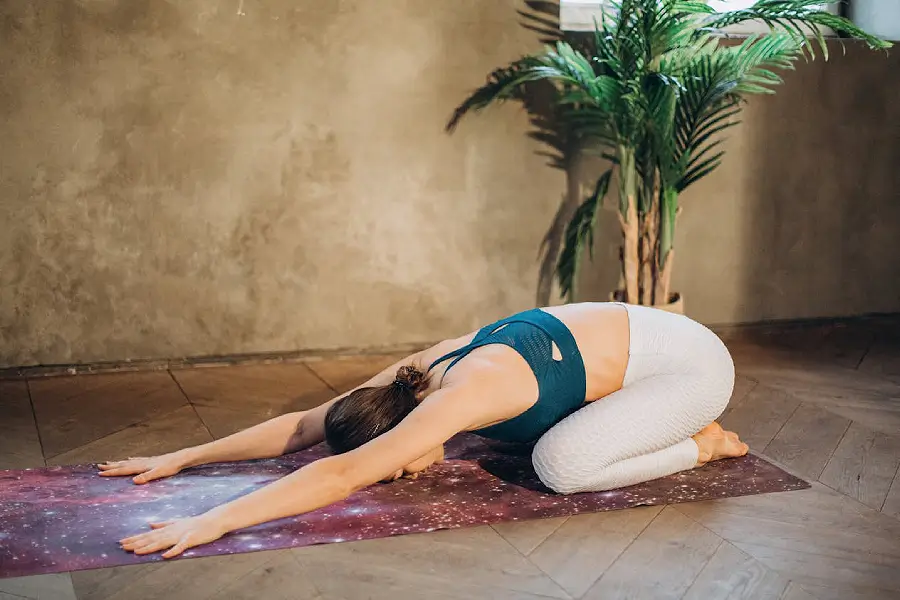
Forward bends like Seated Forward Fold and Child pose lengthen the spine and calm an overactive mind. Inversion postures, ranging from simple Legs-Up-The-Wall pose to shoulder stands, alter gravitational blood flow, encouraging venous blood return to the heart and increasing cerebral circulation. This gentle rush of oxygenated blood to the brain sharpens focus, reduces mental fatigue, and relieves tension headaches.
Controlled Breathing as an Immediate Focus Tool
While physical postures require a mat and dedicated space, yoga breathing techniques, known as pranayama, can be practiced anywhere, anytime, providing an instant tool for stress management in high-pressure work environments.
Breathing directly influences the autonomic nervous system. Short, shallow chest breathing signals danger to the brain, keeping stress levels elevated. Conversely, slow, deep diaphragmatic breathing signals safety, immediately slowing the heart rate and calming emotional turmoil.
-
Box Breathing (Square Pranayama): Inhale for four counts, hold the air for four counts, exhale for four counts, and hold empty for four counts. Practicing this cycle for two minutes before important meetings or public presentations clears mental noise, stabilizes nerves, and sharpens verbal articulation.
-
Alternate Nostril Breathing (Nadi Shodhana): Involves gently closing one nostril at a time while breathing slowly and deeply. This technique balances the left and right hemispheres of the brain, reduces acute anxiety, and restores mental focus during multi-tasking overload.
-
Ocean Breath (Ujjayi Pranayama): Inhaling and exhaling deeply through the nose while slightly constricting the back of the throat to create a subtle ocean sound. The gentle auditory feedback anchors mental focus during challenging physical poses or complex cognitive tasks.
Cultivating Mindfulness and Cognitive Resilience
Productivity is not merely about working faster; it is about working with sustained, uninterrupted intention. Distracted multi-tasking splits attention, increases error rates, and doubles the time required to complete complex tasks.
Yoga is fundamentally a moving meditation. During a practice, individuals learn to observe physical sensations, acknowledge wandering thoughts, and gently bring awareness back to the breath without self-judgment. This repeated exercise strengthens the neural pathways dedicated to sustained focus.
Practicing mindfulness on the yoga mat translates directly into professional environments:
-
Enhanced Task Prioritization: A calm, mindful perspective allows individuals to separate truly urgent, high-value tasks from low-value distractions.
-
Higher Emotional Intelligence: Mindful self-awareness helps professionals recognize early signs of stress, frustration, or anger, allowing them to respond thoughtfully rather than react impulsively.
-
Improved Deep Work Capacity: Training the mind to stay present with a single physical posture builds the cognitive endurance needed to focus on complex projects for extended blocks of time.
Integrating Yoga into a Busy Daily Schedule
A common barrier to starting a yoga practice is the misconception that it requires hours of dedicated time every day. In reality, short, consistent sessions yield far better long-term stress reduction and productivity gains than sporadic, lengthy workouts.
Structuring brief yoga breaks throughout the day maintains steady mental clarity and physical comfort from morning to evening.
Morning Foundation (10-15 Minutes)
Start the day before opening email or checking notifications. Perform five rounds of Sun Salutations combined with gentle neck and shoulder rolls. This quick sequence wakes up the musculoskeletal system, stimulates systemic circulation, and sets a calm, deliberate tone for the workday ahead.
Mid-Day Micro-Breaks (3-5 Minutes)
Every two hours, step away from screens. Perform standing forward folds to release lower back compression, chest openers to counteract desk slouching, or three minutes of Box Breathing. These brief interventions interrupt accumulative physical stress, preventing the severe late-afternoon energy slump.
Evening Transition (10-15 Minutes)
Use restorative poses such as Legs-Up-The-Wall or Reclined Bound Angle pose at the end of the workday. This physical transition signals to the brain that the professional workday is complete, facilitating a clean mental break between work responsibilities and personal life, promoting deeper nighttime sleep.
Stress Reduction and Productivity Impact Summary
| Yoga Practice Component | Biological Mechanism | Immediate Psychological Benefit | Workplace Productivity Impact |
| Pranayama (Breath Control) | Vagus nerve stimulation, heart rate reduction | Lowers acute anxiety, restores emotional calm | Sharpens decision-making during high-pressure moments |
| Standing Asanas | Leg muscle engagement, grounding effort | Increases physical energy, dispels lethargy | Enhances physical stamina for long workdays |
| Chest Openers and Backbends | Increased lung expansion, higher oxygen intake | Elevates mood, counteracts posture slumps | Boosts mental alertness and creative problem-solving |
| Mindfulness and Meditation | Prefrontal cortex neural strengthening | Improves focus, reduces cognitive noise | Lengthens attention span and deep work capacity |
| Restorative Inversions | Venous blood return, cerebral circulation | Relieves physical fatigue, calms nervous system | Accelerates recovery and reduces burnout risk |
Frequently Asked Questions
Can yoga replace traditional cardiovascular or strength workouts for fitness?
Yoga provides excellent strength, mobility, balance, and muscular endurance benefits, particularly styles like Vinyasa or Power Yoga. However, for complete cardiovascular conditioning, combining yoga with moderate aerobic exercises like brisk walking, running, swimming, or cycling offers a well-rounded fitness regimen.
How quickly can a person expect to feel the stress reduction benefits of yoga?
Immediate benefits, such as lowered heart rates, reduced muscle tension, and a calmer mental state, are noticeable right after a single fifteen-minute session. Sustainable improvements in baseline stress levels, emotional resilience, and daily focus typically develop after three to four weeks of consistent practice.
Do I need to be naturally flexible to start practicing yoga for stress relief?
No. Flexibility is a result of practicing yoga, not a prerequisite for it. Yoga for stress reduction focuses on breath integration, nervous system regulation, and mindful awareness. Postures can always be modified using props like blocks, straps, or chairs to suit any mobility level safely.
Is morning or evening the best time to practice yoga for productivity?
Both times offer distinct advantages. Morning practice prepares the nervous system for upcoming daily challenges, boosting focus and setting a calm tone. Evening practice releases physical and mental stress accumulated throughout the day, ensuring better sleep quality that powers the next day productivity.
How does practicing yoga improve nighttime sleep quality?
Yoga activates the parasympathetic nervous system, lowering circulating cortisol levels and stimulating the natural production of melatonin. Techniques like gentle evening stretches and deep diaphragmatic breathing calm the central nervous system, helping you fall asleep faster and stay in deep restorative sleep stages longer.
What is chair yoga and can it be done directly at a office desk?
Chair yoga adapts traditional postures so they can be performed safely while seated in or standing next to an office chair. Simple movements like seated spinal twists, seated cat-cow stretches, wrist rolls, and neck releases relieve physical tension directly at a desk without needing a workout mat or changing clothing.
How does yoga compare to basic stretching for stress relief?
While basic stretching targets isolated muscle groups, yoga combines physical stretching with deliberate breath control, visual focus, and mindful attention. This integrated mind-body approach stimulates the vagus nerve and regulates the nervous system, providing neurological stress reduction that simple mechanical stretching cannot achieve alone.
Comments are closed.