

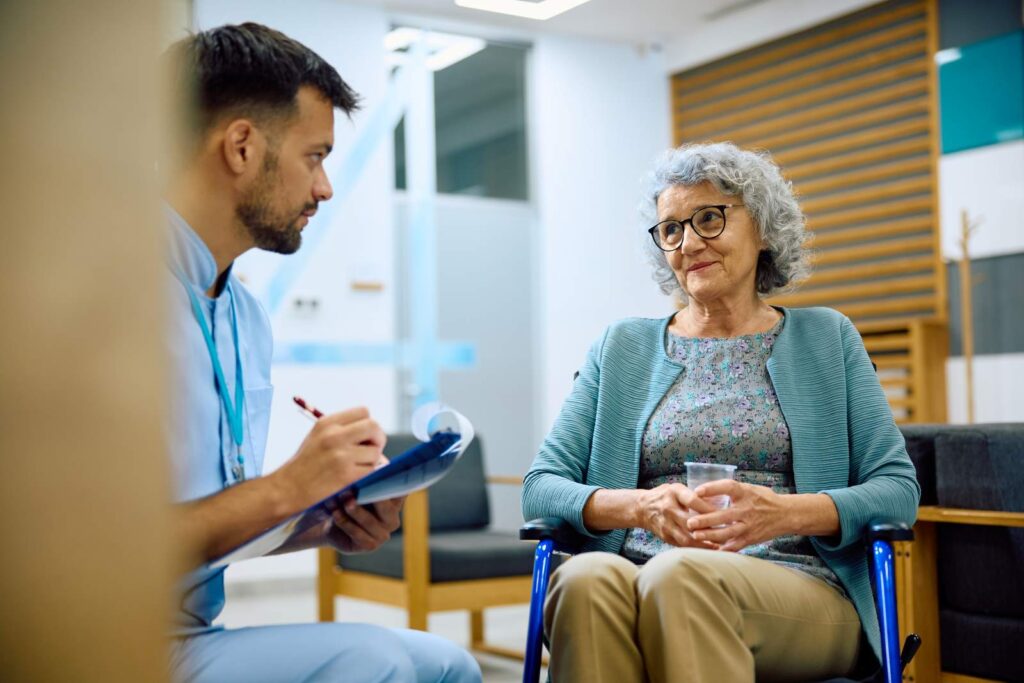
Health care is an essential part of creating healthier and stronger communities. While individual health is important, the overall well-being of a community depends on accessible health services, preventive care, health education, and support for healthy living. Community health care focuses on improving the health of groups of people by providing services that are accessible, practical, and centred on local needs.
Community health care is designed to promote wellness rather than simply respond to illness. It encourages individuals and families to adopt healthier lifestyles, participate in routine health care, and become more aware of the factors that influence long-term well-being. By bringing health services closer to where people live, community health care helps improve quality of life for people of all ages.
What Is Community Health Care?
Community health care refers to health services that are organised to meet the needs of a particular population or local area. These services focus on prevention, health promotion, early intervention, and ongoing support for individuals and families.
Rather than concentrating only on treating illnesses, community health care encourages healthy habits and regular medical attention that help people maintain good health throughout their lives.
It creates a supportive environment where individuals can access guidance, education, and routine health services close to home.
Improving Access to Health Care
One of the greatest advantages of community health care is improved access to essential health services. When health care is available within local communities, people are more likely to attend routine checkups and seek medical advice before minor concerns become serious.
Accessible care encourages individuals to monitor their health regularly and develop positive relationships with health care professionals.
This early engagement contributes to better long-term health outcomes.
Promoting Preventive Health Care
Community health care places strong emphasis on prevention. Educational programmes and routine health services encourage individuals to take responsibility for their health through healthy daily choices.
Preventive efforts often focus on balanced nutrition, regular physical activity, good hygiene, emotional well-being, and routine health assessments.
By preventing illness whenever possible, communities can improve overall wellness while reducing avoidable health problems.
Supporting Families
Families are at the centre of healthy communities. Community health care provides valuable support that helps parents, children, adults, and older individuals maintain good health throughout every stage of life.
Families benefit from:
- Health education that promotes healthy daily habits.
- Regular health care services that encourage early detection of health concerns.
- Guidance on maintaining physical and emotional well-being.
These services help create healthier households and stronger family relationships.
Encouraging Health Education
Health education is one of the most valuable parts of community health care. Individuals who understand healthy living are more likely to make informed decisions that support their well-being.
Education may include information about healthy eating, physical activity, sleep, stress management, personal hygiene, and preventive care.
Greater awareness empowers individuals to take an active role in maintaining their health.
Promoting Healthy Lifestyles
Community programmes often encourage residents to adopt healthier lifestyles through group activities, wellness campaigns, and educational events.
Walking groups, fitness activities, nutrition workshops, and public health awareness programmes motivate people to become more physically active and make healthier choices.
These initiatives strengthen community engagement while supporting long-term wellness.
Supporting Older Adults
Community health care plays an important role in helping older adults maintain independence and quality of life. Regular health services, wellness education, and social support help older individuals remain active and connected within their communities.
Encouraging physical activity, balanced nutrition, and routine health care visits supports healthy ageing and overall well-being.
Strong community support allows older adults to continue participating in daily life with confidence.
Building Stronger Communities
Healthy communities benefit everyone. When residents have access to quality health care and health education, they are more likely to lead productive, active, and fulfilling lives.
Community health care encourages cooperation between health care professionals, families, schools, and local organisations to promote healthier environments.
Working together creates lasting improvements in public health and strengthens community well-being.
Encouraging Personal Responsibility
Community health care also reminds individuals that maintaining good health requires personal commitment. Healthy eating, regular exercise, adequate sleep, stress management, and routine health care visits all contribute to better overall wellness.
When people actively participate in caring for their own health, the entire community benefits from improved well-being and reduced health challenges.
Personal responsibility and community support work together to create healthier populations.
Conclusion
Community health care plays a vital role in improving the health and well-being of local populations. By promoting preventive care, improving access to health services, supporting families, encouraging healthy lifestyles, and providing valuable health education, community health care helps individuals enjoy healthier and more active lives.
Strong communities are built on healthy individuals who understand the importance of regular health care and positive daily habits. Through cooperation, education, and accessible services, community health care continues to strengthen public well-being and create healthier futures for everyone.
Comments are closed.