

Introduction: Beyond Fertility Basics
When conversations about reproductive health arise, most focus on ovulation timing, prenatal vitamins, or pregnancy care. Yet two factors—hormone balance and healthy body weight—quietly influence every stage of a woman’s reproductive journey. From trying to conceive to supporting a healthy pregnancy to navigating postpartum changes, paying attention to these foundations can help protect long-term well-being.
Hormones: The Body’s Silent Coordinators
Hormones are chemical messengers that regulate ovulation, menstrual cycles, metabolism, and emotional health. When estrogen, progesterone, or testosterone are imbalanced, women may experience:
- Irregular or absent periods.
- Difficulty conceiving.
- Fatigue, mood swings, and anxiety.
- Slow postpartum recovery or weight retention.
For some, safe and medically guided hormone replacement therapy can correct deficiencies or fluctuations that interfere with fertility and overall reproductive resilience.
The Role of Weight in Reproductive Health
Body composition affects hormonal health. Excess weight can lead to insulin resistance, which disrupts ovulation and raises the risk of polycystic ovary syndrome (PCOS). On the other hand, being underweight can suppress ovulation altogether. Managing weight in a sustainable, medically supported way—rather than crash dieting—helps stabilize cycles and improves the chances of conceiving and sustaining a healthy pregnancy.
How Medical Weight Management Supports Fertility
Generic diet plans often fail when underlying hormonal or metabolic issues aren’t addressed. Working with a clinic such as PhySlim, a trusted weight loss clinic, can help women:
- Assess thyroid and metabolic markers that influence fat storage and ovulation.
- Use evidence-based, safe medications when appropriate to support weight loss.
- Create sustainable, nutrient-rich meal plans that fuel fertility.
- Avoid dangerous restrictions that can make hormonal imbalances worse.
Properly guided weight management builds a healthier environment for conception and supports energy during pregnancy.
Postpartum Recovery: Why Support Matters
Childbirth brings one of the most intense hormonal transitions a woman will ever experience. Estrogen and progesterone levels drop sharply, while prolactin rises to produce milk. These changes can trigger mood swings, night sweats, fatigue, and difficulty losing pregnancy weight. Lactation challenges can add stress, increasing the risk for postpartum depression or anxiety.
Some organizations provide expert lactation consultants who help new mothers establish feeding routines, prevent nipple trauma, and plan for pumping at work—reducing anxiety that can worsen hormonal disruption.
Primary Care: The Overlooked Anchor After Birth
Obstetric care often ends six weeks after delivery, but recovery continues long beyond. Having a reliable internal medicine doctor or family physician is crucial to:
- Monitor blood pressure, thyroid changes, and metabolic health after pregnancy.
- Screen for postpartum depression and anxiety early.
- Support gradual weight management that doesn’t harm milk supply.
- Coordinate referrals for hormone therapy or specialty care when needed.
This primary care layer ensures women are not left navigating complex changes alone.
The Stress–Hormone–Weight Connection
Chronic stress elevates cortisol, a hormone that can disrupt ovulation, increase abdominal fat, and slow postpartum healing. Lack of sleep, feeding struggles, and return-to-work anxiety all feed this cycle. Addressing stress through lactation help, hormone evaluation, and practical medical support prevents these cascading effects.
A Comprehensive Care Model for Women
A truly supportive plan integrates three pillars:
- Hormone evaluation and therapy: For cycle irregularities, severe postpartum symptoms, or unexplained fertility challenges.
- Weight management: Medical guidance through a weight loss clinic like PhySlim in Tallahassee ensures safe fat loss and metabolic stability.
- Primary and lactation support: With help from lactation consultants and ongoing checkups with an internal medicine doctor, mothers can maintain health while caring for their baby.
When these services work together, women are better prepared for each reproductive milestone.
Warning Signs Not to Ignore
Women should seek evaluation if they experience:
- Irregular or absent periods for several months.
- Repeated difficulty conceiving despite trying.
- Severe fatigue or mood instability postpartum.
- Significant weight gain or inability to lose pregnancy weight.
- Milk supply challenges are causing stress or anxiety.
Early attention prevents long-term complications and restores confidence in reproductive health.
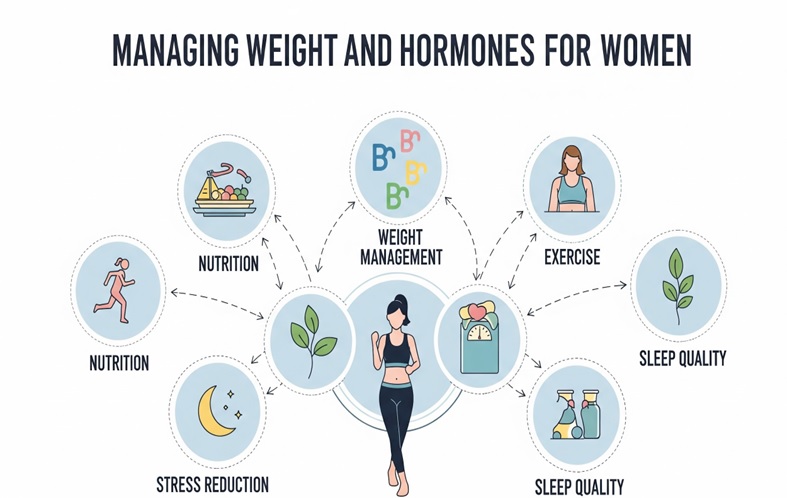
Lifestyle Foundations That Amplify Care
- Balanced nutrition: Whole grains, lean proteins, and healthy fats support hormone production.
- Moderate, regular exercise: Improves insulin sensitivity and metabolism without stressing the body.
- Adequate sleep: Crucial for hormonal stability and postpartum healing.
- Stress reduction: Mindfulness, breathing exercises, or therapy reduces cortisol.
- Community support: Joining postpartum or fertility groups combats isolation.
These habits strengthen the benefits of professional care and improve long-term health.
Case Study: Navigating Fertility and Postpartum Recovery
A 34-year-old woman struggled with irregular cycles and mild insulin resistance. A hormone evaluation revealed subtle imbalances, and medically guided hormone replacement therapy improved her ovulation pattern. She also worked with PhySlim to manage weight safely, avoiding restrictive diets that could harm fertility. After a healthy pregnancy and birth, she partnered with lactation experts to overcome early feeding pain and maintain supply when returning to work. Her internal medicine doctor provided metabolic follow-up and mental health screening, helping her recover energy and emotional balance.
Why Integration Works Better Than One-Off Solutions
Weight loss alone can’t fix hormone disruption. Hormone therapy without nutritional support may not help long-term fertility or energy. Lactation helps solve feeding challenges, but not the underlying metabolic or hormonal changes that affect recovery. Combining these elements offers stability—improving fertility chances, supporting healthy pregnancies, and preventing burnout in the postpartum period.
Prevention: Planning Before Pregnancy
Women planning to conceive can strengthen outcomes by:
- Getting a preconception hormone check.
- Meeting with a medical weight loss clinic if overweight or underweight.
- Learning about breastfeeding basics from lactation experts like https://corporatelactation.com/.
- Choosing a trusted internal medicine doctor for long-term health support.
Preparing early makes pregnancy and postpartum smoother and less stressful.
Conclusion: A Holistic Path to Reproductive Wellness
Reproductive health doesn’t exist in isolation. Hormones, weight, and whole-body care shape fertility, pregnancy, and the postpartum experience. Safe hormone replacement therapy when needed, expert breastfeeding support, and tailored weight management through a weight loss clinic like PhySlim create a powerful network of care. With this integrated approach—and strong follow-up from a trusted internal medicine doctor—women can navigate every stage with strength, confidence, and long-term wellness.
Comments are closed.