

Millions of Australians experience mental health conditions every year. Anxiety and depression represent significant challenges across the country, affecting people in busy urban centres and remote regional areas. Many individuals turn to standard treatments like medication or traditional talk therapy. These established approaches work well for some, but others find them insufficient or experience unwanted side effects that disrupt their daily lives. Finding the right support can sometimes take years of trial and error.
This gap in effective care highlights a strong need for new approaches to mental wellness. Medical researchers and health practitioners continue to study how the human brain functions. This research leads to innovative treatments that target root causes of distress rather than simply managing symptoms. One such approach gaining attention across Australia is neurotherapy.
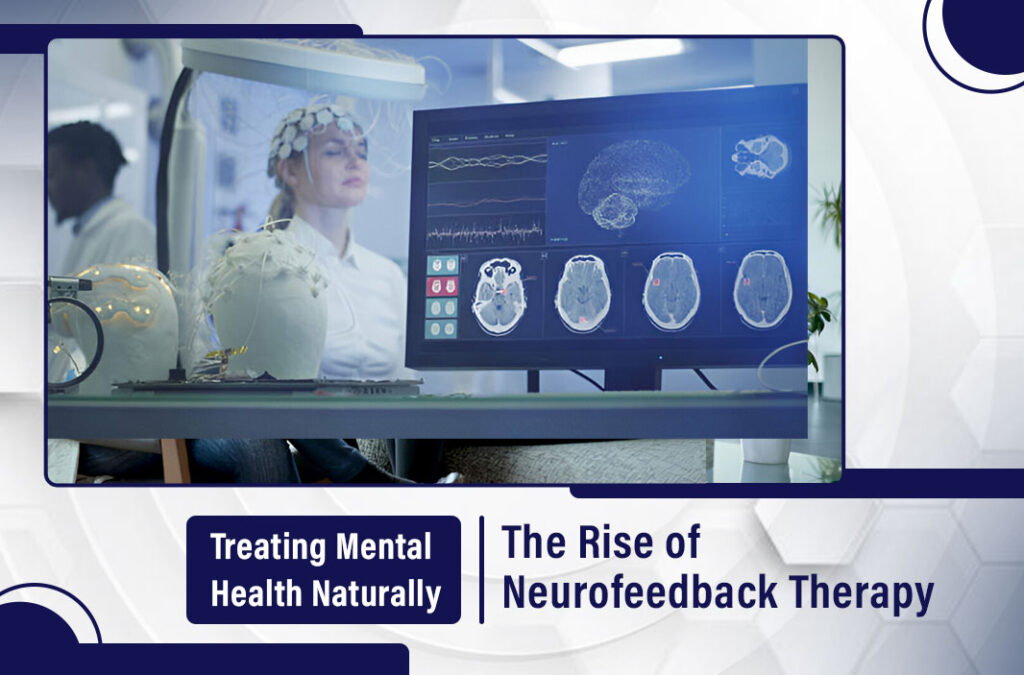
This non-invasive technique uses real-time displays of brain activity to teach self-regulation of brain function. By monitoring electrical signals through sensors placed on the scalp, practitioners can help individuals retrain their minds. This process creates a direct feedback loop. The visual or auditory feedback allows people to gently alter their mental states over time, building healthier brain wave patterns without relying on pharmaceuticals.
How does this practice apply specifically to anxiety? Anxiety frequently presents as an overactive nervous system. People feel constantly on edge, and their brain waves often show excessive fast-wave activity. Through gentle, guided training, individuals learn to produce slower, calmer brain waves. Over multiple sessions, the brain learns to maintain this relaxed state naturally. This shift reduces the constant physical tension and worry that characterises severe anxiety.
For depression, the clinical approach changes. Depression often involves underactive areas in the brain, particularly in the left frontal lobe. Treatment focuses on stimulating these sluggish regions, encouraging the production of faster, more alert brain waves. As these specific areas wake up and become active, patients frequently report noticeable improvements in their daily mood, physical energy levels, and overall motivation to engage in life.
The main appeal of this method lies in its focus on neuroplasticity. Neuroplasticity refers to the brain’s natural ability to change, adapt, and form new neural connections. Instead of introducing synthetic chemicals into the body, the treatment relies entirely on the brain’s built-in capacity to heal and reorganise itself. As mental health discussions evolve in Australia, Medicare and private health funds are beginning to look at various brain-based therapies, making them slowly become accessible to a wider population.
While medical experts do not consider it a magic cure, this method offers a highly personalised option for those dealing with persistent mental health issues. Each person receives a unique brain map before starting, ensuring the training targets their specific neurological needs. This targeted approach increases the chances of long-term success. As mental health awareness grows across Australian communities, integrating these brain-training techniques into standard care could offer renewed hope for thousands of people currently struggling to find relief.
Comments are closed.