


It is easy to think of health as something managed only in clinics, gyms, or during annual check-ups, yet much of wellbeing develops quietly through ordinary routines. Food choices, movement patterns, sleep habits, and stress management accumulate day after day. This is why broader conversations around health promotion in Chonburi increasingly focus on how environments influence behaviour rather than relying solely on individual willpower.
Community infrastructure plays a subtle part. Walkable streets encourage incidental movement. Accessible green spaces invite regular outdoor activity. Local food availability shapes nutritional habits without conscious effort. These environmental cues influence decisions long before motivation or discipline enter the picture.
Health promotion often works best when healthy behaviour feels normal rather than exceptional.
When Awareness Translates into Behaviour
Information alone rarely changes habits. Awareness becomes meaningful only when people understand how small actions affect long-term comfort and energy. Simple insights, hydration timing, posture awareness, screen breaks, improve wellbeing when applied consistently rather than sporadically.
Public messaging that remains practical rather than alarmist tends to build trust and engagement. People respond better to guidance that fits naturally into daily routines rather than demanding dramatic change.
Social Influence and Shared Norms
Behaviour spreads socially. When walking groups, shared exercise spaces, or community events become visible, participation feels accessible rather than intimidating. Shared routines create accountability without pressure.
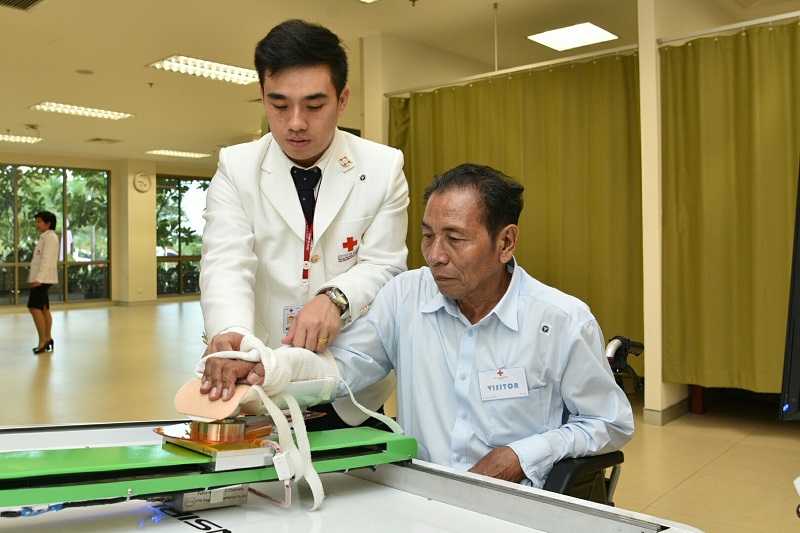
Children absorb these norms early. When healthy behaviour is embedded in everyday observation, it becomes instinctive rather than imposed.
The Built Environment as a Health Partner
Urban design influences health more than many realise. Shade coverage affects walking comfort. Safe crossings determine whether people choose to walk or drive. Seating availability encourages older residents to remain active rather than avoid movement.
Small design choices accumulate into large behavioural patterns over time.
Balancing Personal Responsibility and Structural Support
While personal choice matters, sustainable change requires supportive environments. Expecting individuals to overcome structural barriers alone often leads to frustration rather than progress.
Accessible facilities, clear information, and inclusive design reduce friction and make healthy choices easier to sustain.
Health as a Daily Practice
Health promotion shifts focus away from episodic intervention towards daily maintenance. Instead of waiting for problems to surface, people gradually integrate movement, rest, and nutrition into ordinary life.
This steady integration supports resilience without demanding perfection or constant monitoring.
When communities quietly shape healthier defaults, wellbeing becomes less about discipline and more about alignment between environment and everyday behaviour.
Comments are closed.